Ten Years of SPC

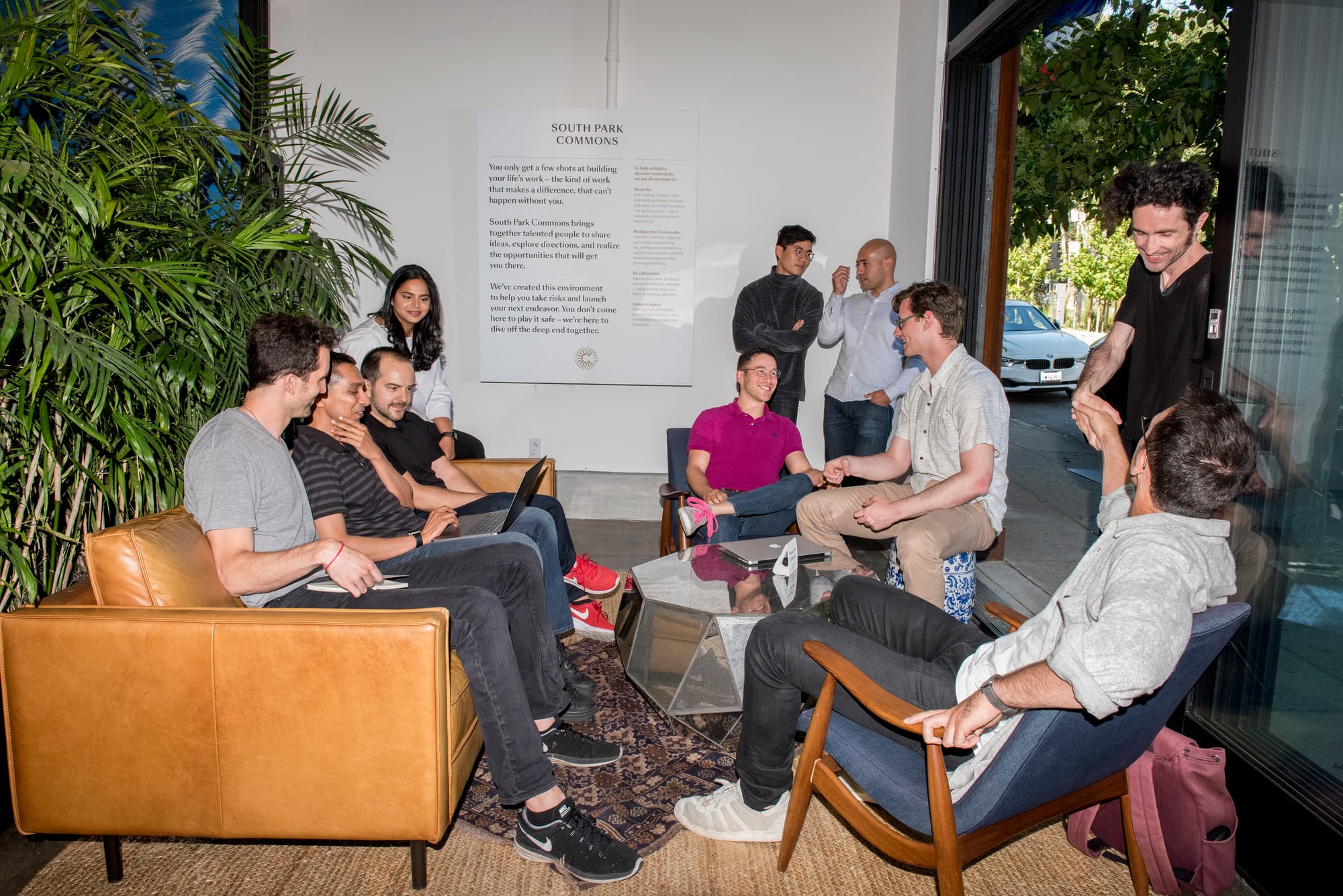
South Park Commons started ten years ago, the way many meaningful things begin: quietly, messily, and without a clear plan.
There were ten people around my dining table. At first, everyone was confused. What was this group of people–all of whom wanted to work on their own projects–going to do together? No structure, no brand, no certainty. Just a handful of people showing up for something that yet didn’t exist.
I remember what it was like back then. It took courage to quit our jobs, lose our sense of identity, be vulnerable, and acknowledge to ourselves and the world that we were figuring it out.
So we built a place to show up in that moment. Where ambition didn’t require loneliness. Where people have the courage to linger on the questions worth asking.
Because that moment—the honest “I don’t know yet,” the liminal space between ideas—is where the future is created.
SPC: a learning community
SPC started as a learning community. We drew inspiration from communities that encouraged and incubated out-of-distribution ideas. Ecosystems like Xerox PARC, Benjamin Franklin’s Junto club: groups of people who took ideas seriously and each other even more so.
We explored frontier technologies before they were categories. AI, robotics, space, cryptography, new markets that didn’t yet have clean narratives. SPC was a place where people took the time to explore, tinker, and build together.
Because that’s what we were: builders, pushing each other to discard good ideas for actually great ones. And to do so, we cultivated a space for talent density, high-trust feedback, and a culture that treats ideation as craft.
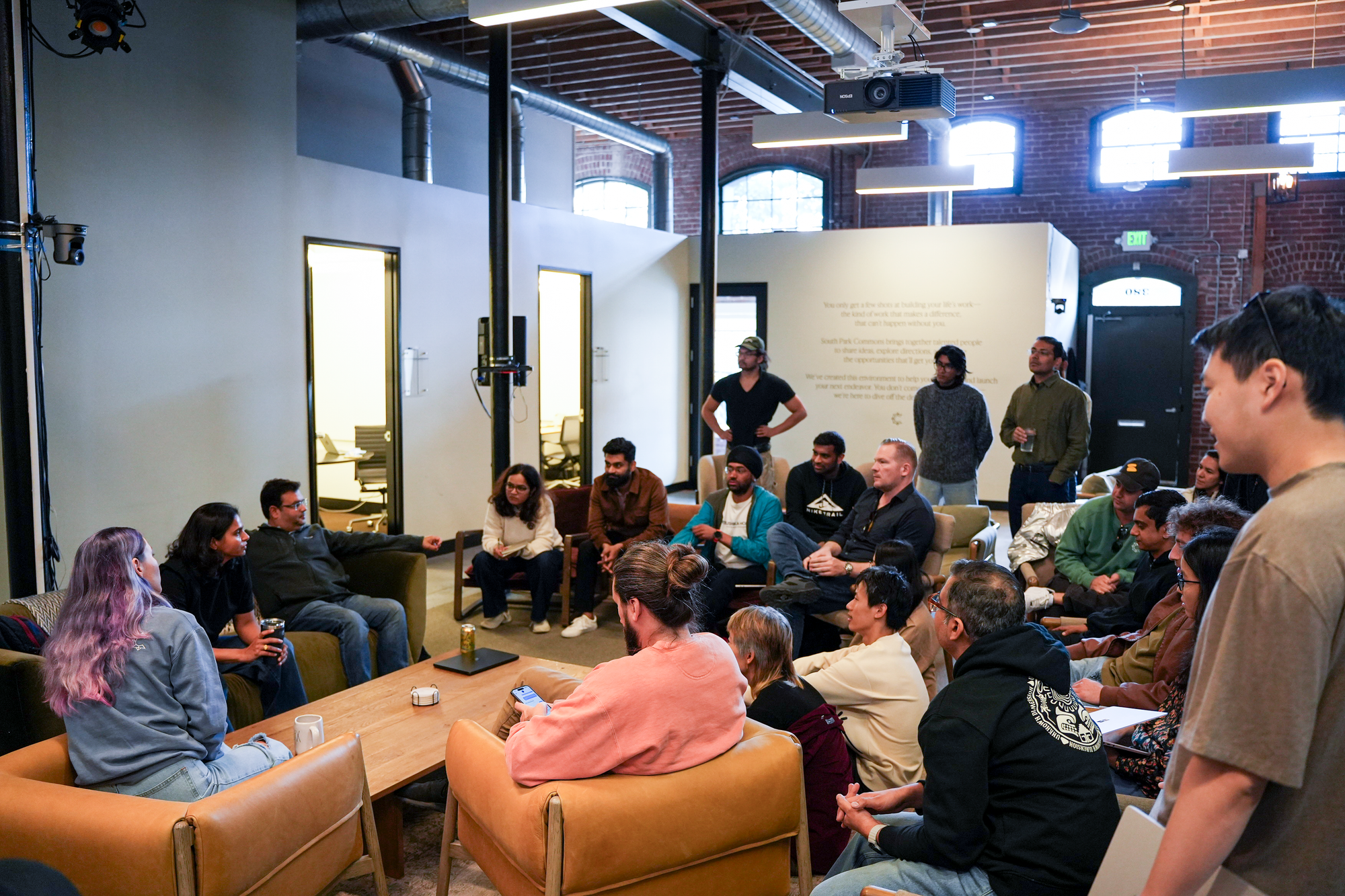
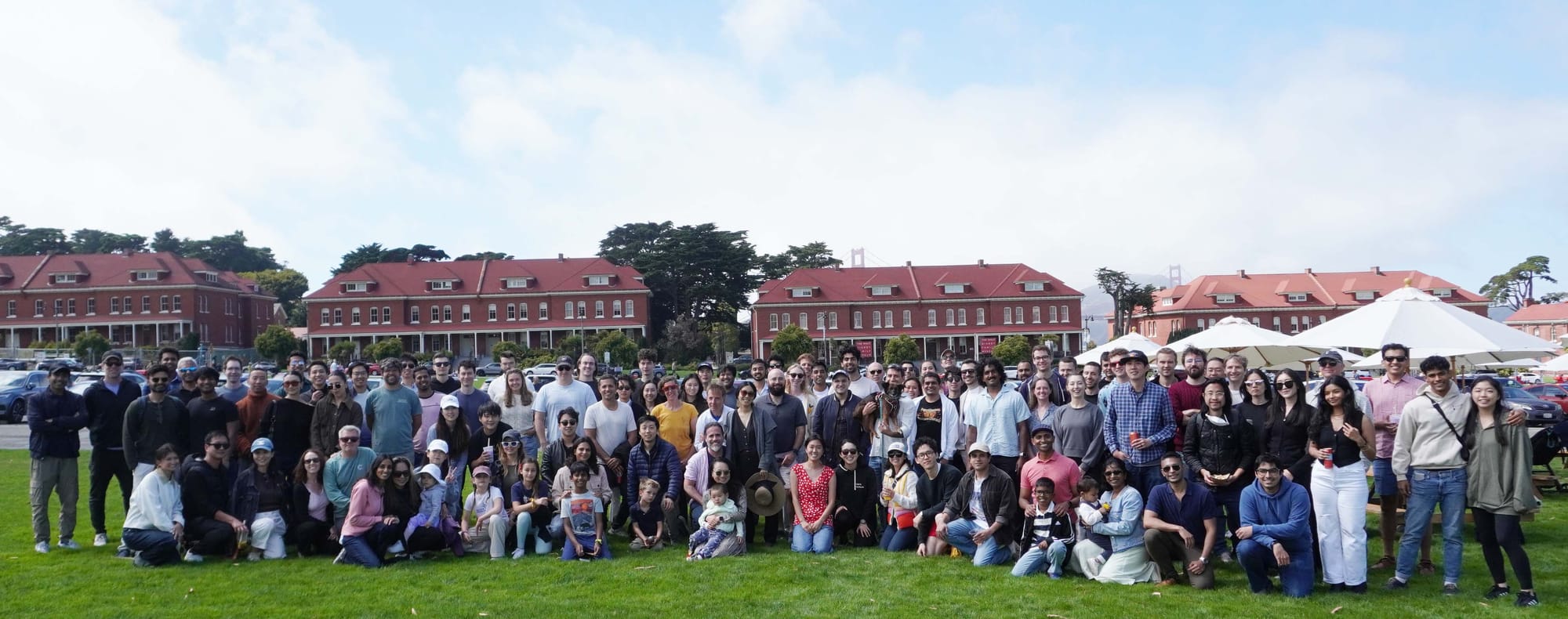
Over the next decade, SPC grew from those 10 people around my kitchen table to more than a thousand members. Today, 25,000 people apply to SPC every year. We now have physical homes in San Francisco, New York City, and Bangalore.
But SPC isn’t about the numbers, it’s about the people and what emerges when they choose to show up for each other.
The stories that only happen in community
There’s a particular kind of transformation I’ve seen, again and again, at SPC. It’s subtle at first, but gathers momentum through weeks of tinkering. Conversations over lunch. A half-baked demo that invites the right question at the right moment.
It looks like Anurag, already successful and credible, showing up with generosity, helping others, sharing work, iterating in public long before there was a crisp “this is the thing”. And in that steady rhythm of contribution, something emerged. Patterns sharpened and Render was born.
It looks like James and Dylan, who met at SPC to become cofounders building Profound. One of SPC’s underrated superpowers is that it’s an inherently high temperature environment. There’s a ton of productive entropy and chance collisions. Not the shallow kind, but the kind that only happens when people keep showing up long enough to build trust.
It looks like Max, who moved out to California in an RV to be at SPC and eventually build Ironsite. That’s not a networking move. That’s not “checking out the scene”. That’s someone saying, with their whole life, this matters.
And it looks like Ashton, an Olympic gold medalist, walking into SPC not for a career pivot, but for a deeper reinvention. Imagine what it takes to be world-class at something and then voluntarily become a beginner again. To trade mastery for curiosity.
These stories are different on the surface, but underneath, they share an ethos: a talented person in -1, surrounded by other talented people, telling the truth, iterating in public, and building momentum within the community.
And not everyone graduates into a startup. Some join research labs. Some become core open-source contributors. Some go into public service. The point isn’t a predetermined outcome.
The point is finding your life’s work.
What I’m grateful for
SPC has been designed by the community and for the community, with one goal that hasn’t changed: pay it forward. And I’m proud to say that we’ve done that in spades. We have paved the way to take the meandering path from -1 to 0. We’ve helped normalize taking time to find truly meaningful work, whatever shape that might take.
So on this ten-year anniversary, I want to thank the people who made SPC what it is.
The ones who showed up when they didn’t have a narrative.
The ones who helped without keeping score.
The ones who lived in the question—and lingered in uncertainty for long enough to find out.
The ones who came back, again and again, for the work and for each other.
Happy ten years, SPC. Thank you for showing up!