


The strongest communities are built by people who’ve done the work themselves. Today we’re welcoming not one, but two new visiting partners to South Park Commons. Harshit Madan and Rohan Choudhary are both joining to support founders across the SPC India community.
We spoke with both Harshit and Rohan about their experiences and what they’re most excited about working on at SPC. Read on!
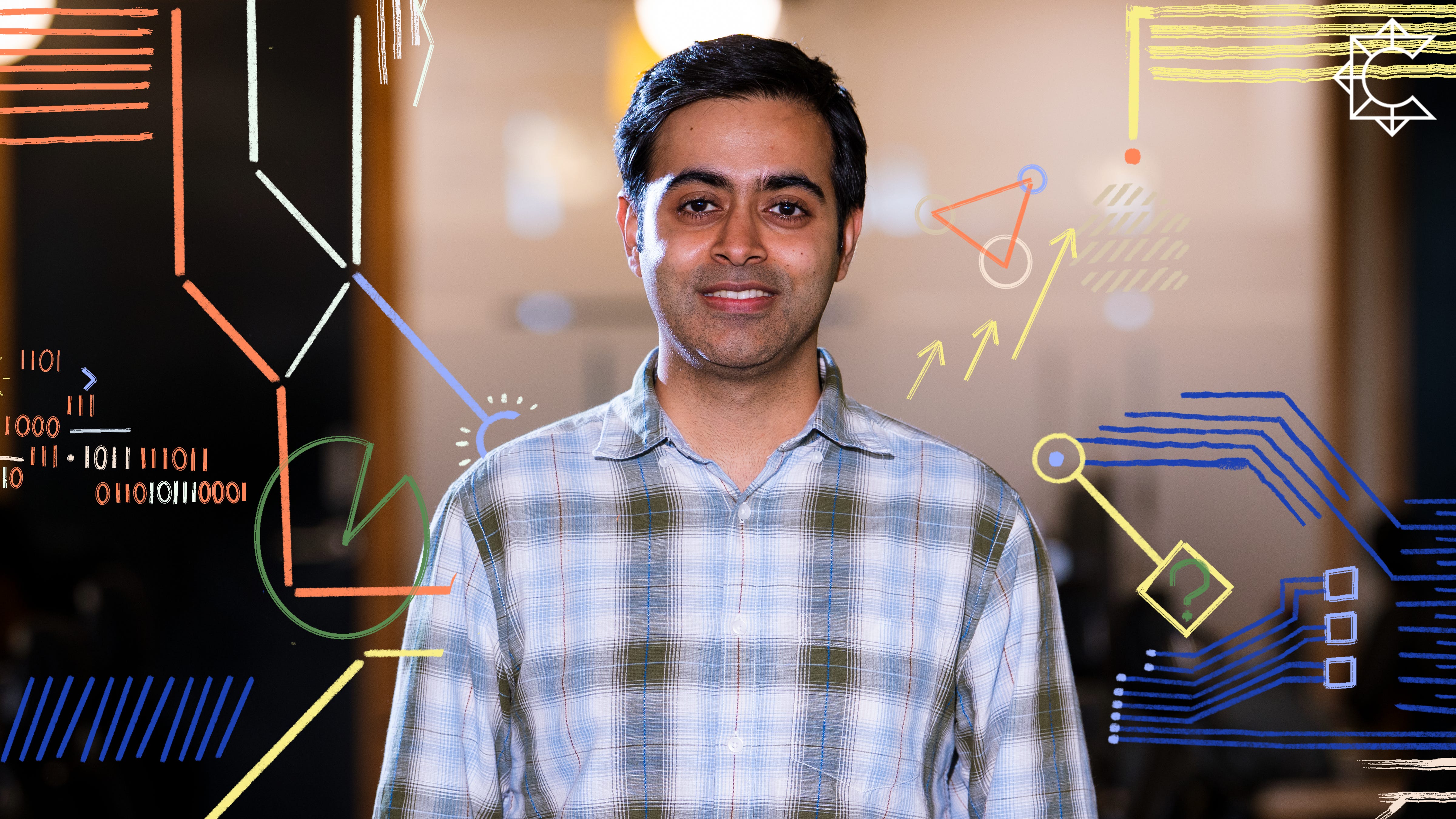
Harshit Madan has spent more than a decade building inside India’s startup ecosystem. At Meesho, he led product and later operations & supply chain through a period of enormous growth, worked on product at Housing.com, and founded his own company, Alle.
In our conversation, Harshit shares how he reads markets, where he thinks the next wave of Indian companies will come from, and the founders he’s hoping to find.
What drew you to South Park Commons?
Harshit: I’ve spent 10+ years at startups. I was lucky enough to be part of Meesho when it scaled from 300 to 3 million orders a day. And then got the chance to build Alle, starting from scratch. Both these stints helped me experience 0 to 1 and 1 to 100 with a front row seat. After all that, I wanted a way to give back, to share what I’ve learned about finding PMF, scaling orgs, and knowing when to press the pedal versus when to pause. SPC felt like the right place to do that, given how seriously it takes early-stage exploration in the Indian ecosystem.
Where are your largest areas of expertise?
Harshit: My background spans consumer tech, product, operations, and supply chain, mostly from the inside of high-growth startups. At Meesho, I led product for two years and then Ops and supply chain for the next two, which gave me a full-stack view of what it takes to scale. At Alle, I got a very different education. What PMF actually looks like, and just as importantly, what it doesn’t. I’ve also tried starting up on my own, which gave me a much deeper appreciation of 0 to 1. I think about org-building, system design, and when to hire aggressively, versus when to slow down and figure things out first.
What’s your thesis on where the interesting opportunities are?
Harshit: I look at opportunities from two angles. The first is market change: when something structural shifts and unlocks a new wave of behavior. Meesho’s early growth was a good example: Jio connectivity created a massive reseller market in tier 2 and 3 cities over a short period. The second angle, which I’m even more excited about, is technology unlocking experiences that simply weren’t possible before. WisprFlow couldn’t have existed without great speech-to-text models. These are magical, never-before-possible experiences. The ongoing AI revolution is creating more of them every day.
Why are you bullish on the Indian ecosystem?
Harshit: India has a high-quality builder pool with deep software expertise, and rapidly growing hardware talent base. Ather and others are creating that muscle. But beyond talent, I think India is at an inflection point where it can produce genuinely global companies. Every country that’s made the leap to developed status, has had a generation of companies that became global giants—BYD and ByteDance from China, Samsung and Hyundai from Korea. India needs that generation, and I think the conditions are there: the talent, the demographics, and market segments that are genuinely representative of global demand. I’m most excited about Indian builders who are aiming at the world, not just the local market.
What kinds of founders do you most want to work with?
Harshit: I want to work with founders who are mission-driven, customer-first, and genuinely obsessed with the problem they're solving. I also think a lot about "why now?" — so I'm especially drawn to founders operating at inflection points, whether that's a shift in the market or in what technology suddenly makes possible. After a decade of learning the hard way, I'd love to share what I've picked up across as many founder journeys as I can.
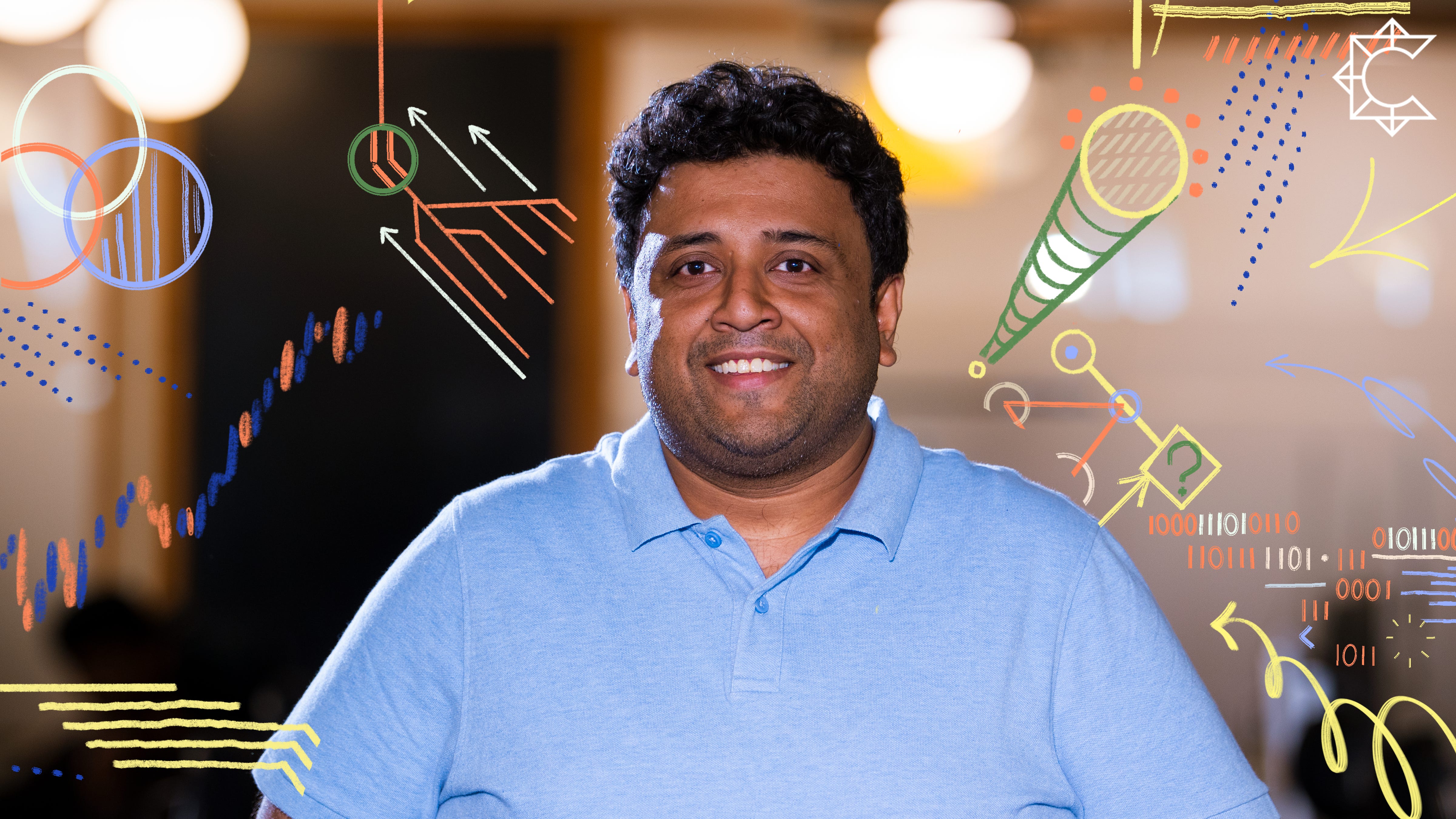
Rohan Choudhary is a builder and product leader who has spent 14 years building across ad-tech, consumer-tech, and SaaS, with a focus on products built from India for the world. At InMobi, he helped build the core performance ad-tech stack behind one of India’s largest global technology companies. He later co-created Glance, a consumer product distributed through deep OEM integrations, which became a unicorn in its own right and scaled to 400M+ active users globally.
Rohan shares how he sees building in India changing and the trends he’s most excited about.
What drew you to South Park Commons?
Rohan: Years after my MBA, I switched between four jobs in 1.5 years, (including a startup attempt) because I was trying to find work I’d actually enjoy. What I kept coming back to was this – the same 24 hours can go toward building something genuinely ambitious and aligned with who you are, rather than just chasing the next available market opportunity. SPC is one of the few places in the startup ecosystem that takes that seriously—the “where to play” question, well before the “how.”
That question matters even more now. Building has gotten so much easier that there’s a real pull toward “I have a hammer, let me find a nail” rather than doing a more thoughtful search. I wanted to be around people resisting that pull.
Where are your largest areas of expertise?
Rohan: A few things I keep coming back to. The first is taking products global. I’ve done this multiple times at InMobi and Glance. There’s something I genuinely love about navigating the tension between what makes a product work in India, and what it needs to succeed everywhere else.
The second is products that become ecosystems, multi-sided networks and marketplaces. The journey from a useful tool to something with real network gravity is where I feel most at home. Over the last year, I’ve been working on AI commerce ideas built around consumer, designer, and artisan ecosystems, and I have some views on how these get built differently in an AI-native world.
Third, and this one goes back a long way - I almost did a PhD after engineering. I spent a lot of time in ML research at IIT Delhi. At both InMobi and Glance, I really enjoyed working closely with data science and ML teams. I think I’m good at helping researchers identify the right gaps to go after and then figuring out how to get that to market with an actual business model.
And more generally, I have a habit of thinking a few steps ahead—where the puck is going—and using that to make product strategy bets that pay off. At Glance, we were constantly evolving our PMF based on how we thought the market and consumer behavior would shift. That kind of sequencing is something I enjoy.
What’s the current state of the startup ecosystem in India?
Rohan: The first wave of Indian tech was operationally led. The technology was largely a commodity. The real moat was in aggregating fragmented supply, building distribution, and deploying enough capital to make things convenient at scale. India was the market being served.
What’s shifting now is where the value lives. The moat is moving from operations into the technology itself. Indian founders are building frontier IP in AI infrastructure, physical AI, health tech, manufacturing, and not just localizing someone else’s product. The shift I find most exciting is India going from being the market to being the builder.
What investment trends are you excited about?
Rohan: Deep tech finally feels like a breakout category in India, backed by real capital and real ambition. Space and aerospace is another one. Some very young founders are attempting genuinely audacious things here. A wave of IPOs is also creating a new generation of entrepreneurs and angels who’ll keep the energy going.
But the thing I’m most excited about is health tech via AI. People are now going after large, long-unsolved problems—the kind that can meaningfully change quality of life and longevity at scale. That feels different from what came before.
What kinds of founders do you want to work with?
Rohan: Three things, honestly. Agency and resilience—the next few years will keep disrupting propositions and business models faster than ever, so the ability to keep hustling through is non-negotiable. Truth-seeking—I work best with founders who are genuinely trying to figure out if what they’re doing is real, even if the answer is uncomfortable. And ambition—this is one of those rare moments when trajectory-changing companies are actually possible, and founder ambition is the main thing limiting that.
What directions of ideation are you drawn to?
Rohan: Network-based consumer products are still underrated to me. As tools get commoditized, products that require humans on both sides to work maintain something more durable. Agents can turbocharge the moat, but the human core is what keeps it real.
I’m also drawn to what I think of as “moving up the averages”—AI genuinely narrows the gap between tier 1 cities and the rest of the country in healthcare, education, governance. Founders working on that are doing something I find meaningful.
And I’m watching the SaaS model with a lot of curiosity. I imagine a world where every company has its own custom software, deployed by what look more like firm-specific developers than traditional SaaS customers—with a master product that evolves based on fragmented customizations downstream. It’s some hybrid of service and product that doesn’t have a clean name yet, and I’m excited to work with people figuring out what sustainable differentiation even means in that world.
Finally—mental health and suffering. This one is personal. I think AI has a real shot at alleviating a lot of daily lived suffering for a lot of people, and I want to spend time on it.
Interested in SPC? Apply to join us here.